
Why a Land Lease for a Solar Farm UK Will Change the Way You Generate Income
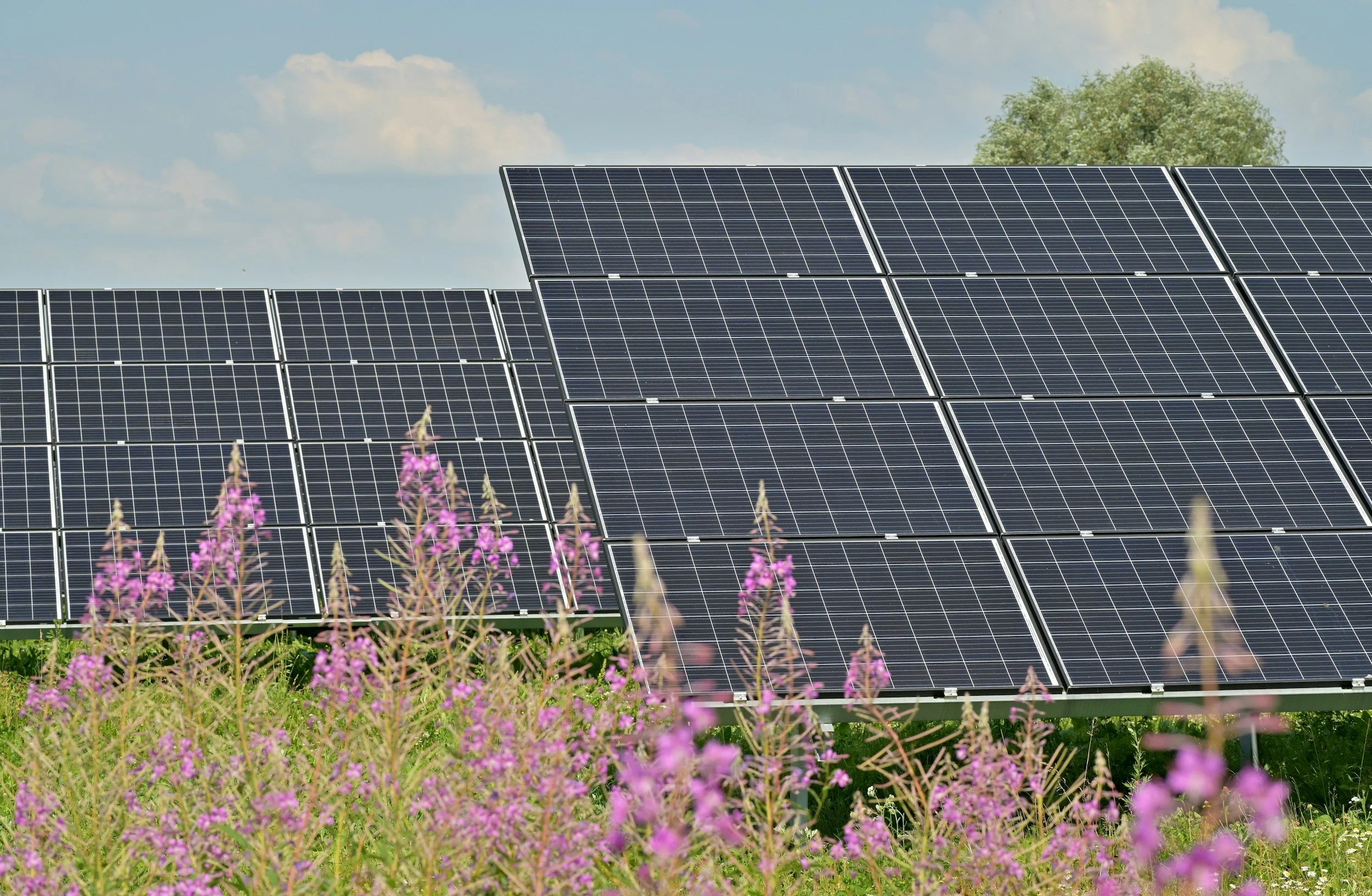
Owning land has always been about long-term thinking. Whether you are farming, managing an estate, or holding land for future generations, the goal is the same: viability. But in 2026, the traditional ways of generating a return on agricultural land are facing tighter margins and more unpredictable weather patterns.
If you have at least 20 acres of land, you are sitting on a significant opportunity. A solar farm land lease isn't just a "green" initiative: it is a pragmatic business decision that can fundamentally change your financial outlook for the next 30 to 40 years.
At Solaris - Renewable Energy Solutions, we’ve spent over 30 years working at the intersection of land management and renewable energy. We’ve seen the market evolve, and we know that for landowners, the priority is always the same: Steady income. Low risk. Long-term security.
Here is why leasing your land for a solar farm is becoming the gold standard for UK diversification.
The Financial Reality: Predictable vs. Unpredictable
Farming is a business of variables. You deal with fluctuating commodity prices, rising input costs, and a climate that refuses to cooperate. A solar land lease removes those variables from the equation for a portion of your land.
For a typical 20-acre plot in the UK today, ground rents are reaching impressive levels. In 2026, landowners are seeing rates between £850 and £1,300 per acre, per year.
Let’s look at the numbers for a 20-acre site:
Initial Income: Between £17,000 and £26,000 per year.
Index-Linked Growth: These leases are typically linked to the Retail Price Index (RPI). This means your income rises with inflation, protecting your purchasing power for decades.
Zero Input Costs: Unlike farming, you aren't buying seed, fertiliser, or diesel. The developer covers the costs of planning, construction, and maintenance.
Smarter Energy. Lower Risk. Guaranteed Returns.
Why 20 Acres is the Magic Number
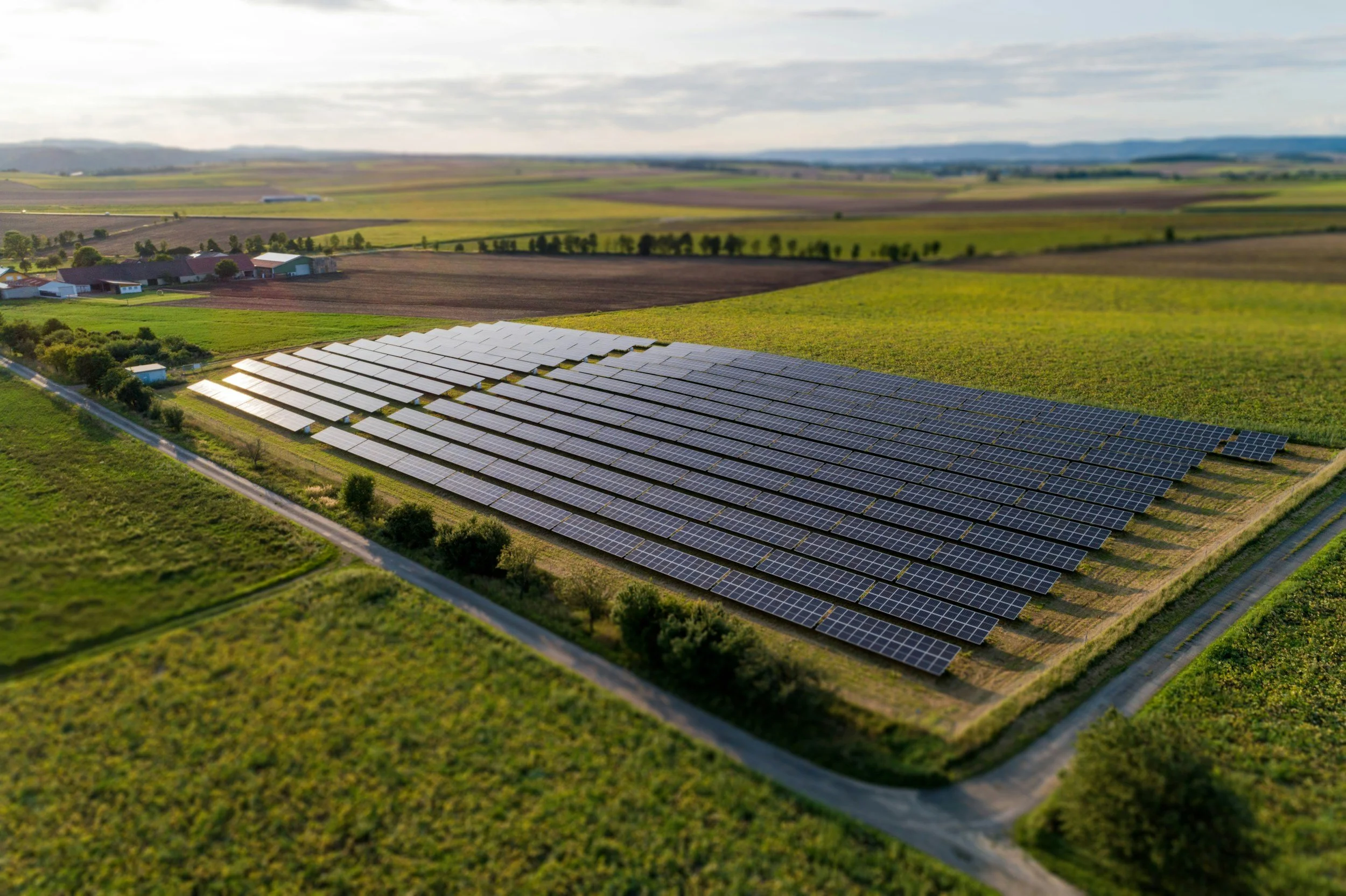
We often get asked, "How much land do I actually need?" While massive 100-acre schemes grab the headlines, 20 acres is a practical and viable starting point.
At this scale, a solar project is large enough to justify the grid connection costs while remaining manageable from a planning perspective. It allows you to diversify your income without taking the entirety of your land out of production. In many cases, you can even continue low-intensity grazing (like sheep) between the rows of panels, effectively gaining two incomes from the same acre.
30+ Years of Experience, Zero Pushy Sales
The renewable energy sector is unfortunately full of "land grab" developers who use aggressive tactics to secure sites. At Solaris, we take a different approach. We believe in straightforward advice and honest options.
Our 30-year heritage in land management means we understand the complexities of UK land ownership. We don’t just look at a map; we assess the practicalities of your site, including:
Grid Proximity: How close are you to a viable connection point?
Land Quality: Is the site suitable for solar or perhaps battery storage?
Planning Likelihood: We provide a realistic assessment of your chances of success before any legal fees are incurred.
We provide the expertise, you make the decision. No pressure, just clear paths to revenue.
Understanding the Lease: What You Need to Know
A solar farm lease is a long-term commitment, usually spanning 30 to 40 years. It’s a partnership, and like any partnership, the details matter.
The Option Period: Before the lease starts, there is usually a 2-3 year "option" period while the developer secures planning permission and grid rights. You should receive an option fee (often several thousand pounds) just for granting this right.
Decommissioning Bonds: A genuine developer will include a "decommissioning bond" in the contract. This ensures that at the end of the lease, there is money set aside to remove the equipment and return your land to its original state.
Revenue Share: On top of your base rent per acre, we often look for "revenue share" clauses. This means if the site performs exceptionally well or energy prices spike, you get a slice of the upside.
A Legacy for the Next Generation
Beyond the immediate financial gain, a solar lease is an excellent tool for succession planning. The predictable, inflation-linked income can provide a pension for the current generation or a reliable "safety net" for the next.
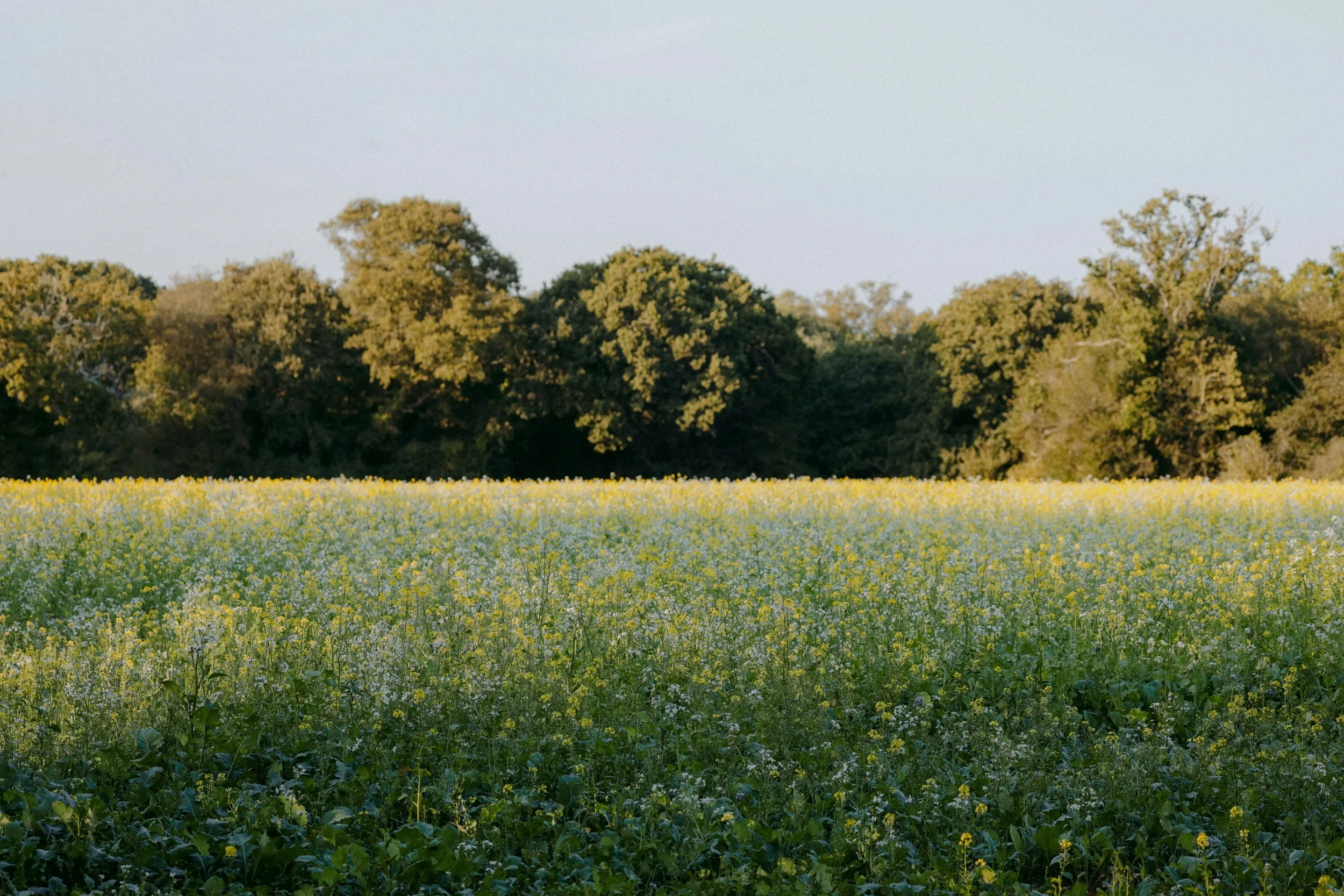
It allows you to keep the land in the family while it works hard for you. At the end of the lease, the panels are removed, and you are left with land that has been "fallowed" for decades: often resulting in improved soil health and biodiversity.
Making an Informed Decision
If you have 20+ acres and are looking for a way to secure your financial future, a solar land lease is a viable, practical, and highly profitable option.
At Solaris - Renewable Energy Solutions, we specialise in helping landowners like you unlock this potential. We don’t do jargon, and we don’t do "hard sells." We provide the clear, honest advice you need to decide if this is right for your estate.
Unlock Benefits. Gain Control. Secure Your Income.
Let’s Talk
Ready to see if your land is suitable? We can provide a no-obligation assessment of your property’s potential for solar or battery storage.