
The Hybrid Payday: Why Solar + Battery is the Best Move for UK Landowners in 2026
If you own 20 or more acres of land in the UK, you’ve likely been approached by solar developers before. Maybe you've even signed an option agreement in the past. But as of June 2026, the game has fundamentally changed. The days of "solar-only" being the gold standard are fading, replaced by a much more lucrative and strategic opportunity: The Hybrid Site.
At Solaris Energies, we’ve spent over 30 years working at the intersection of land management and renewable energy. We’ve seen the trends come and go, but the shift we are seeing right now is the most significant in a decade.
The introduction of the NESO (National Energy System Operator) reforms this month has flipped the script on grid connections. If you want to unlock the true value of your land, you need to understand why "Solar + Battery" is the ultimate power move for 2026.
The Income Gap: Why BESS is the New "Black Gold"
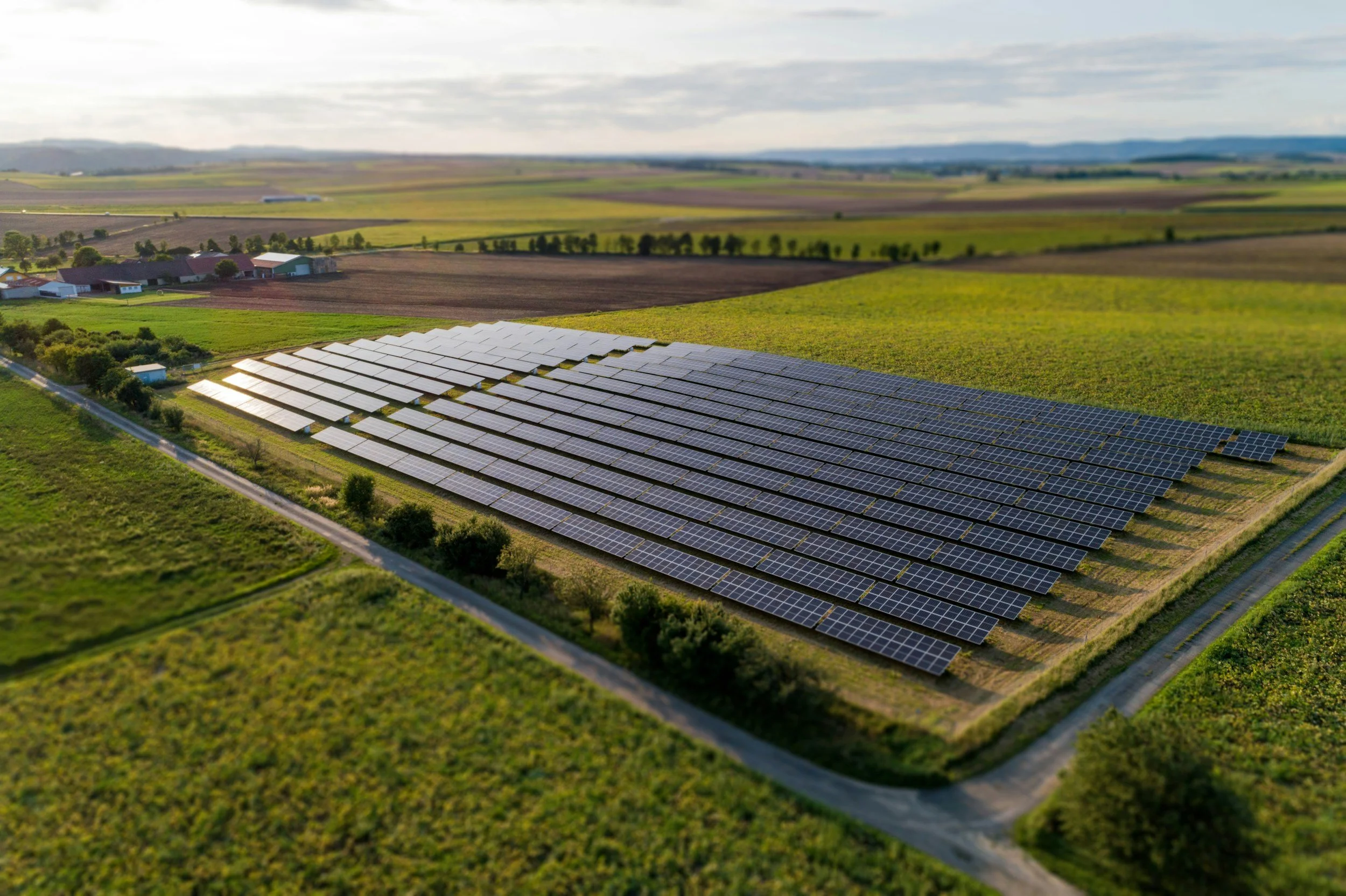
Let’s talk numbers. In the past, a land lease for a solar farm in the UK was a great way to secure steady, RPI-linked income. That’s still true. Currently, standard solar PV land is fetching anywhere from £850 to £1,200 per acre, per year. For a 50-acre plot, that’s a very healthy, passive income for the next 30 to 40 years.
However, the real "payday" in 2026 comes from the Battery Energy Storage System (BESS).
Because the UK grid is desperate for stability, developers are willing to pay a massive premium for the small footprint where the batteries sit. While the solar panels spread across your fields, a dedicated battery compound: often just 1 or 2 acres: can command staggering rates.
Solar-only rent: £850–£1,200 per acre.
BESS compound rent: £10,000–£40,000 per acre.
The Result: A diversified, high-yield revenue stream that maximizes every square inch of your property.
By combining the two into a hybrid project, you aren't just a "solar landlord": you are a critical piece of the UK’s national energy infrastructure.
The June 2026 NESO Reforms: Jumping the Grid Queue
For years, the biggest headache for landowners was the "grid queue." You’d sign a deal, only to find out you were 15 years behind a speculative project that might never even get built.
As of June 2026, the new "Ready-to-Build" rules have officially kicked in. Under the NESO (National Energy System Operator) guidelines, the grid is no longer "first-come, first-served." It is now "First Ready, First Connected."
This is massive news for serious landowners. It means:
Smarter Prioritisation: Projects with planning permission and secured land move to the front of the line.
Hybrid Efficiency: Systems that include battery storage are looked upon more favourably because they help balance the grid rather than just dumping power into it.
Faster Income: The timeline from "signing" to "first payment" is shrinking for high-quality, viable sites.
Smarter Energy. Lower Risk. Faster Returns. That is what the 2026 reforms offer. But it also means you need a partner who knows how to navigate these new rules to ensure your site is "Ready-to-Build" from day one.
Is Your Land Right for a Hybrid Payday?
We specialise in assessing landholdings of 20 acres or more. While smaller plots can work for stand-alone battery projects if they are right next to a substation, the 20-acre mark is where the economies of scale really start to benefit the landowner for hybrid developments.
When we assess a site, we look for three key things:
Proximity to the Grid: Being within a mile or two of a 33kV (or higher) substation is the "golden ticket."
Land Quality: We focus on lower-grade agricultural land (like 3b) to ensure your most productive fields stay in farming while the rest works for your bank account.
Access and Topography: Clear, unobstructed land that allows for easy installation of both panels and battery housing.
Avoiding the "Pushy Sales" Trap
The solar industry has a bit of a reputation for aggressive developers who promise the world and deliver a 10-year legal headache. At Solaris Energies, we do things differently.
We aren't here to pressure you into a contract. We are here to provide practical, straightforward advice based on 30 years of experience in land and renewables. We’ve seen developers come and go; we focus on long-term thinking and genuine viability.
If your land isn’t right for a project, we’ll tell you. If it is, we’ll show you the clear, honest options available to you, ensuring you get the best possible lease terms, including:
Annual RPI uplifts to protect your income against inflation.
Decommissioning bonds so you’re never left with old kit on your land.
Separate rent streams for solar and BESS to ensure you aren't leaving money on the table.
Making an Informed Decision
The transition to a hybrid site is a complex process involving grid applications, planning permissions, and detailed legal leases. You shouldn't do it alone.
Whether you are looking to understand why a land lease for a solar farm in the UK will change your income or you want a direct assessment of your 2026 potential, the first step is a conversation.
The solar battery storage costs in the UK are falling for developers, while the value of the "storage service" to the grid is rising. This means there is a unique window right now to lock in these high-value hybrid leases before the market becomes saturated.
Unlock Benefits. Gain Control. Secure Your Future.
Let's Talk About Your Land
If you have 20+ acres and want to know if you’re sitting on a "Hybrid Payday," we’re ready to help. No pushy sales, no jargon: just a straightforward assessment of what’s possible in this new 2026 landscape.