
Planning for 2027: Why Now is the Best Time to Assess Your Land for Solar Viability
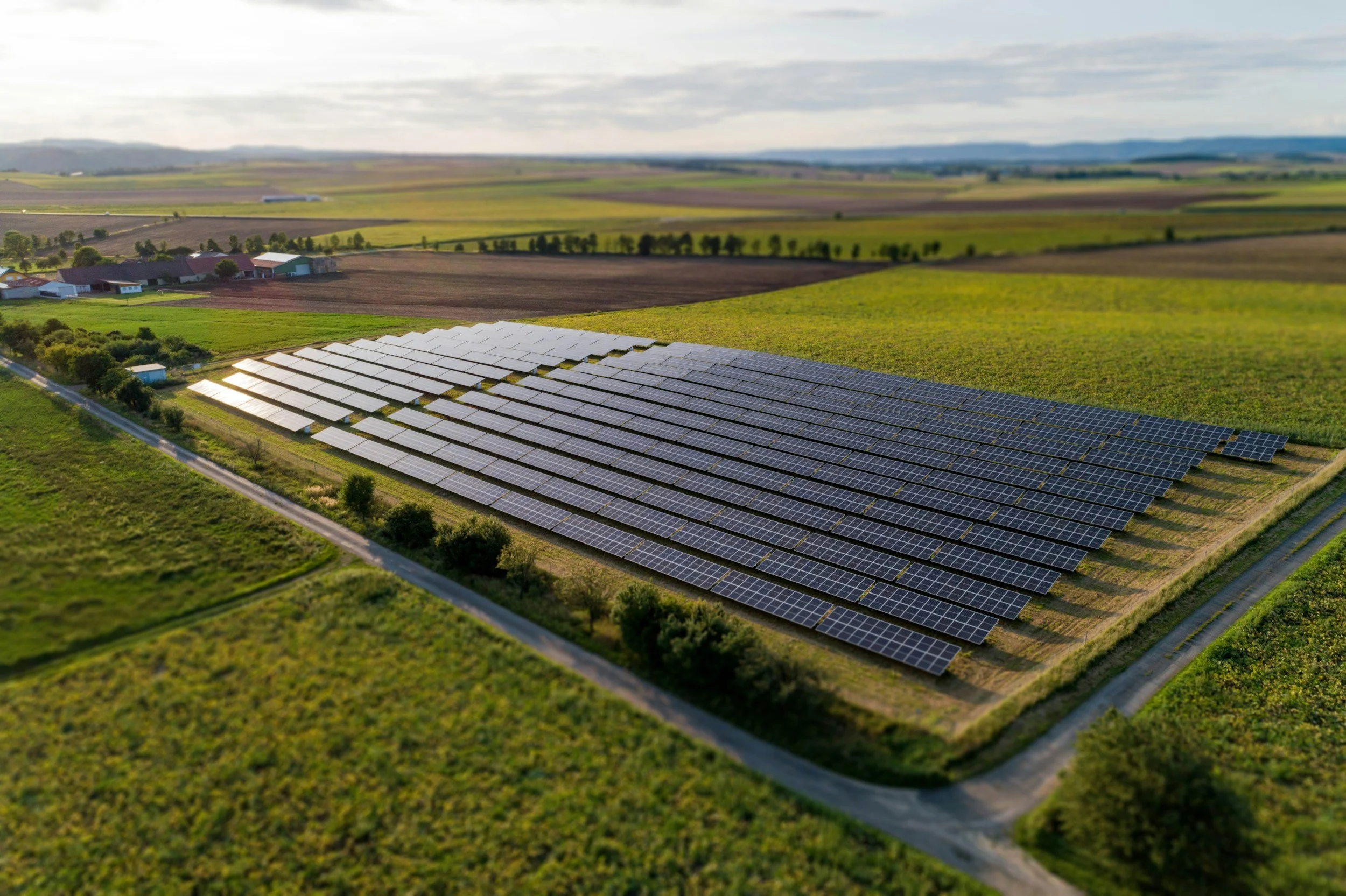
If you’re a landowner in the UK with 20 or more acres of land, you’ve likely heard the buzz about solar farms. You might have even seen them popping up on neighbouring farms. But if you’re thinking, "I’ll look into that in a year or two," you might already be too late for the next major wave of connections.
In the world of renewable energy, the window for securing 2027 income is already starting to narrow.
Between the complexities of the UK planning system and the notorious "grid queue," the lead time for a viable solar project is now measured in years, not months. If you want to see solar farm income for landowners hitting your bank account by 2027 or 2028, the time to start the assessment process isn't next year. It’s this year.
At Solaris Energies, we’ve spent over 30 years navigating the intersection of land and renewables. We don’t do pushy sales. We don’t do jargon. We do straightforward, honest advice that helps you decide if your land is a winner or a non-starter.
Smarter Energy. Lower Costs. Long-Term Value.
The 24-Month Clock: Why the Delay?
Most landowners assume that once they decide to host a solar farm, the panels go up in a matter of months. The reality is a bit more sobering. To get a project from "good idea" to "generating income," you have to clear two massive hurdles: Planning Permission and Grid Connection.
1. The Grid Queue Bottleneck
The UK’s electrical grid was built for a few large power stations, not thousands of small renewable sites. As a result, the National Energy System Operator (NESO) is currently managing a massive backlog. Projects that aren’t "shovel-ready" are being pushed to the back of the line.
Recent reforms mean that if you want a realistic shot at 2027 or 2028 income, you need to show "project maturity" early. This means having your land rights secured and a clear planning timetable in place. If you leave it too long to apply, you could be looking at a connection date in the 2030s.
2. The Planning Permission Process
Securing planning permission for a solar farm isn’t just about filling out a form. It involves environmental impact assessments, community consultations, and navigating local council requirements. This process alone can take 12 to 18 months.
Starting your assessment in spring 2026 gives you the breathing room to do it right. It allows us to identify any "red flags": like heritage sites or ecological constraints: before you spend a penny on formal applications.
Note: We can help you navigate the "Gate 2" reforms to ensure your project stays on track.
The Prize: Solar Farm Income for Landowners
Why bother with the wait? Because the financial security of a land lease for a solar farm in the UK is virtually unparalleled in traditional agriculture.
For landowners with 20+ acres, a solar lease offers a "set it and forget it" income stream. While crop prices fluctuate and subsidies shift, solar rent remains steady, predictable, and usually index-linked.
The numbers you need to know:
Typical Rent: Between £850 and £1,300 per acre, per year.
Lease Terms: Usually 25 to 40 years.
Maintenance: The developer handles the panels; you just collect the rent.
On a 20-acre plot, that’s a potential £20,000+ per year in passive income. For larger holdings of 50 or 100 acres, the figures become transformative for a family estate or business.
Steady Income. Guaranteed Security. Practical Diversification.
What Makes a Site "Viable"?
Not every field is a goldmine. When we perform a free assessment at Solaris Energies, we look at four key factors that determine if your land is ready for the next viable project window:
Proximity to the Grid: Is there a substation or a high-voltage line nearby? The further away the connection point, the more expensive the project becomes.
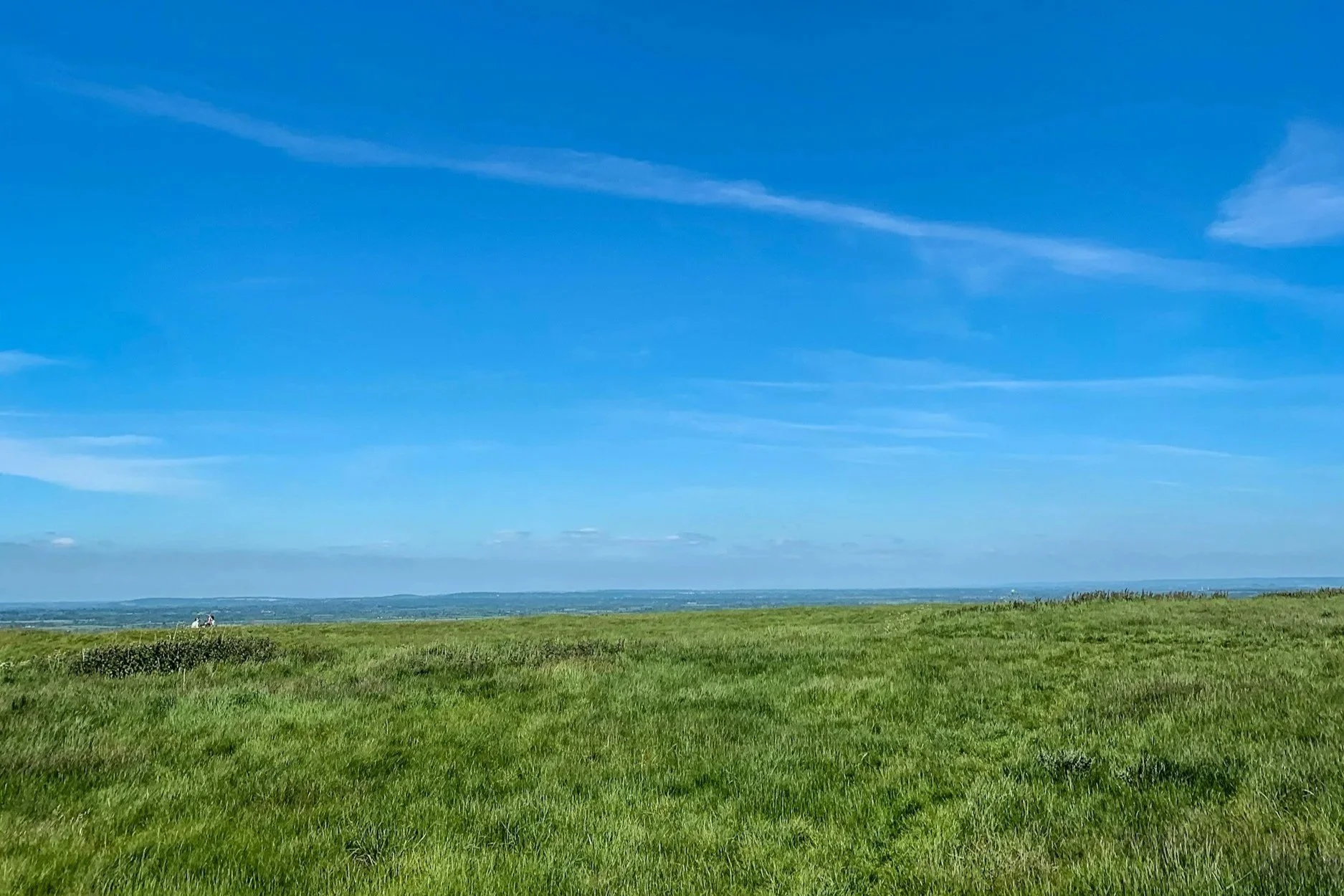
Land Topography: Is the land relatively flat and south-facing? Steep, north-facing slopes are generally a "no-go" for solar.
Access: Can heavy machinery get to the site during construction without destroying local infrastructure?
Acreage: We focus on landowners with 20+ acres. Anything smaller often struggles to achieve the economies of scale needed to cover the high grid connection costs.
We use our 30+ years of experience to give you a "Yes" or "No" quickly. We won’t waste your time with "maybe" if the grid capacity isn't there.
The "Shovel-Ready" Strategy
The rules of the game changed in 2024. NESO (the grid operator) has moved to a "First Ready, First Connected" model. In the past, people would "squat" on grid connections for years without doing any work. Those days are over.
To target 2027 or 2028 income, your project needs to be "shovel-ready." This means:
Signed Option Agreements: The legal paperwork between you and the developer is done.
Active Planning Timetable: You are moving through the local authority process.
Strategic Alignment: Your project fits the local network’s needs.
By starting your assessment in 2026, you give yourself a better chance of getting to the front of the queue. We help you get your "ducks in a row" so that when the grid operator looks for viable projects, yours is the one they pick.
Why Solaris Energies?
We know you have options. There are plenty of developers out there promising the earth. Here is why landowners choose us:
No Pushy Sales: We’re a family-run business mindset with professional-grade experience. If it doesn’t make sense for you, we’ll tell you.
30+ Years of Experience: We’ve seen the industry evolve from a niche hobby to a critical part of the UK’s infrastructure. We know the pitfalls because we’ve walked them.
Clear, Honest Options: We don't hide behind jargon. We provide straightforward advice on everything from tax implications to land restoration at the end of the lease.
End-to-End Support: From the first site visit to the final grid connection, we’re your partner.
Unlock Benefits. Make Informed Decisions. Gain Control.
Your Action Plan for 2026
If you want to be part of the 2027 or 2028 income window, here is your roadmap:
Assess: Contact us for a free, no-obligation land assessment. We’ll check grid proximity and land suitability.
Evaluate: We’ll provide a clear report on your potential solar farm income.
Secure: If you’re happy, we’ll help you secure the necessary grid and planning positions while the 2027 window is still open.
Don't let your land sit idle while your neighbours secure the best grid slots. The queue is growing every day.
Discover your potential. Let’s Talk.
Visit our News & Insights page for more updates on the UK energy market, or head to our homepage to book your assessment.